








History

INTENT
At Frome Valley CE First School, we aim to deliver a history curriculum that is accessible to all and that will maximise the outcomes for every child so that they know more, remember more and understand more.
Our teaching of history will help pupils gain a secure knowledge and understanding of Britain’s past and that of the wider world. The curriculum is structured in a way that allows for children to make links between current and previous learning.
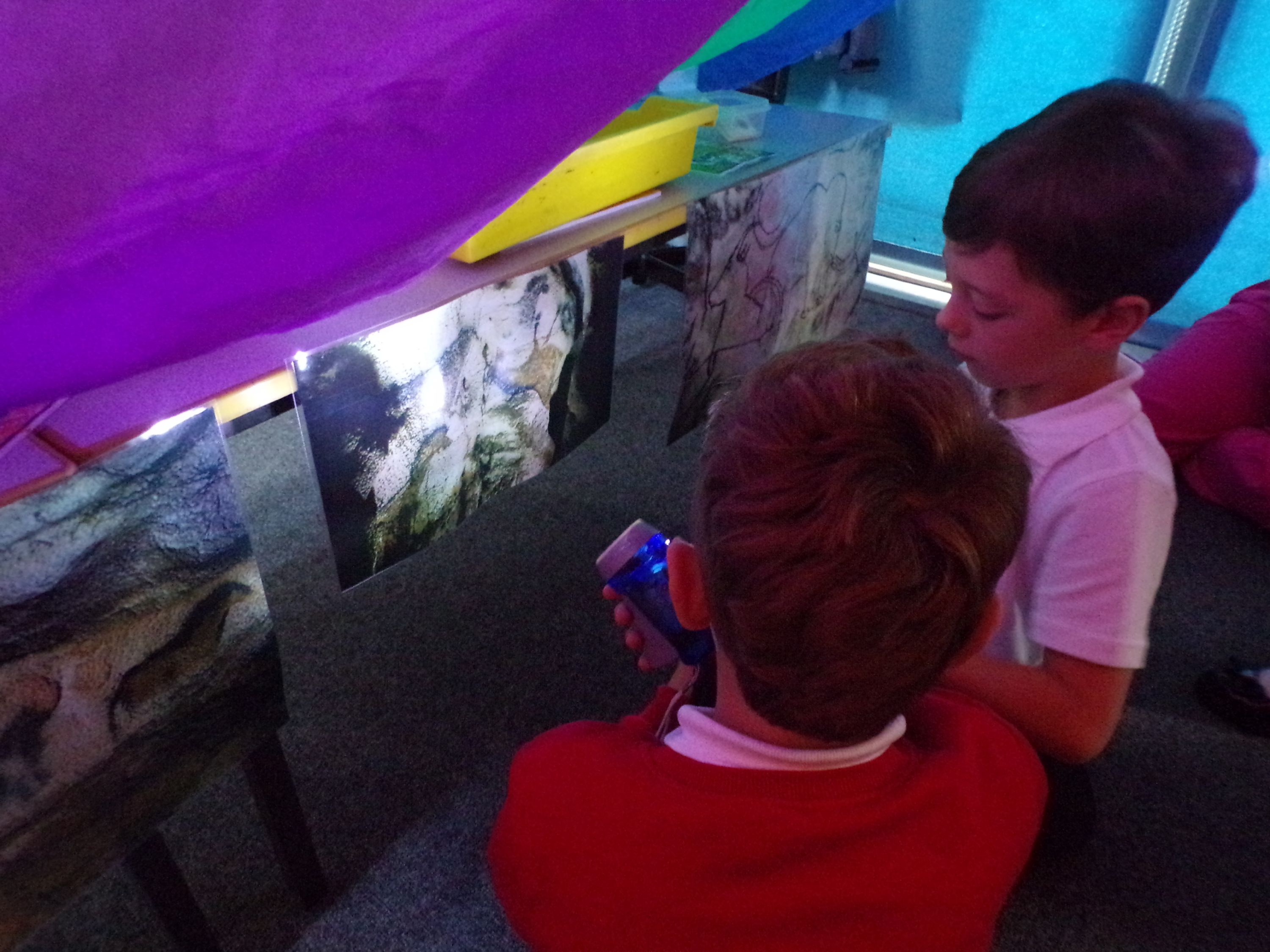
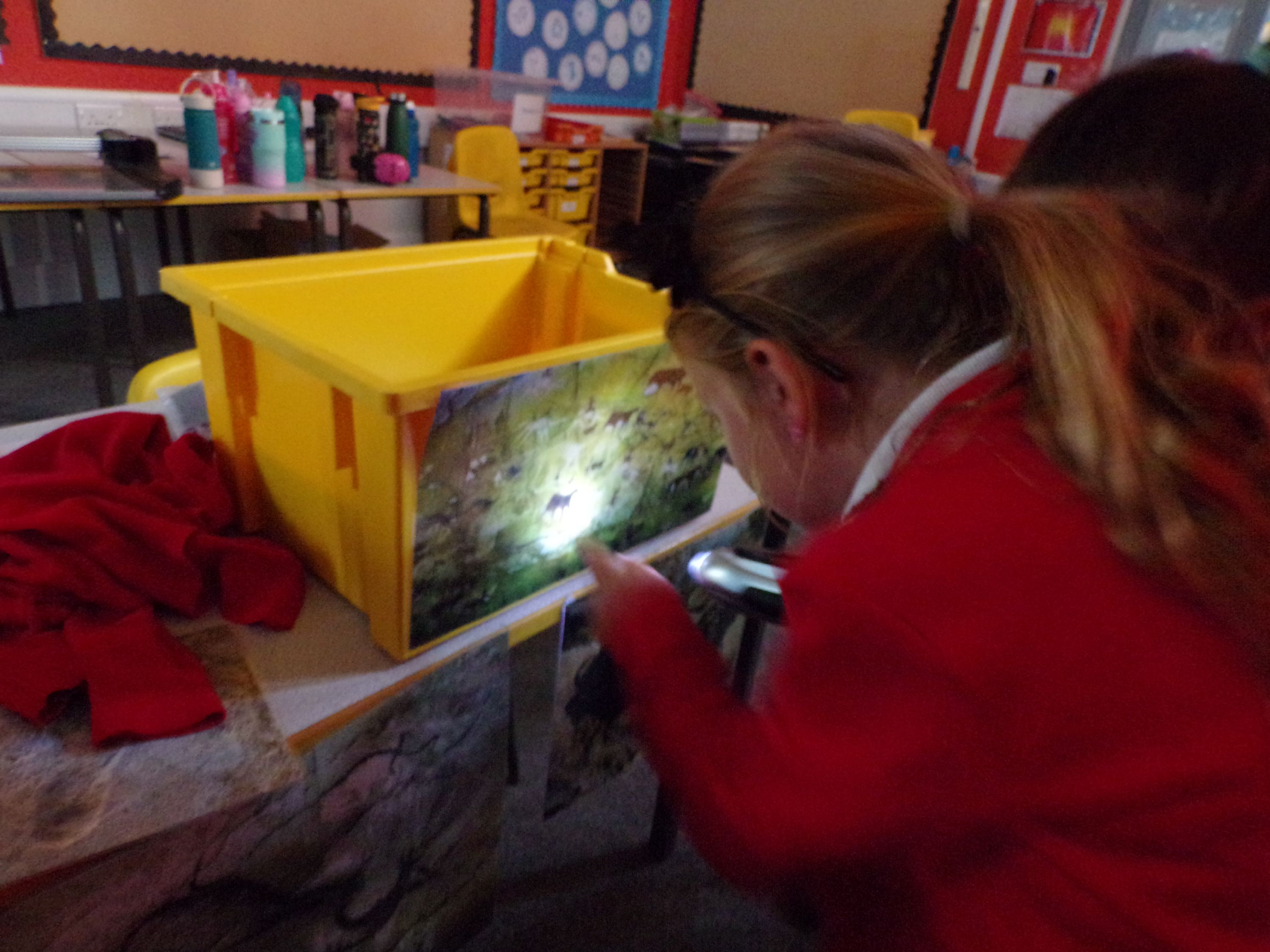
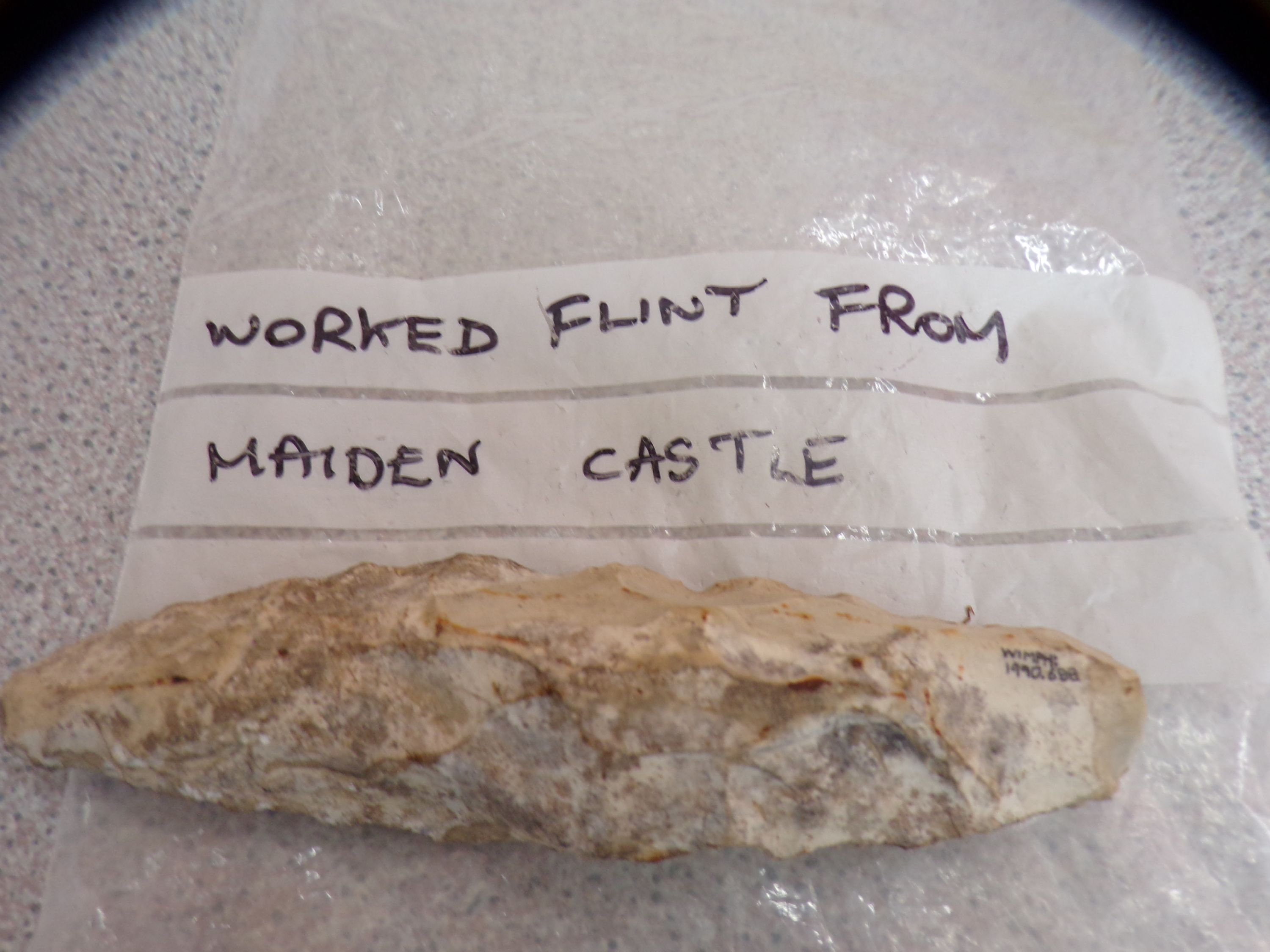
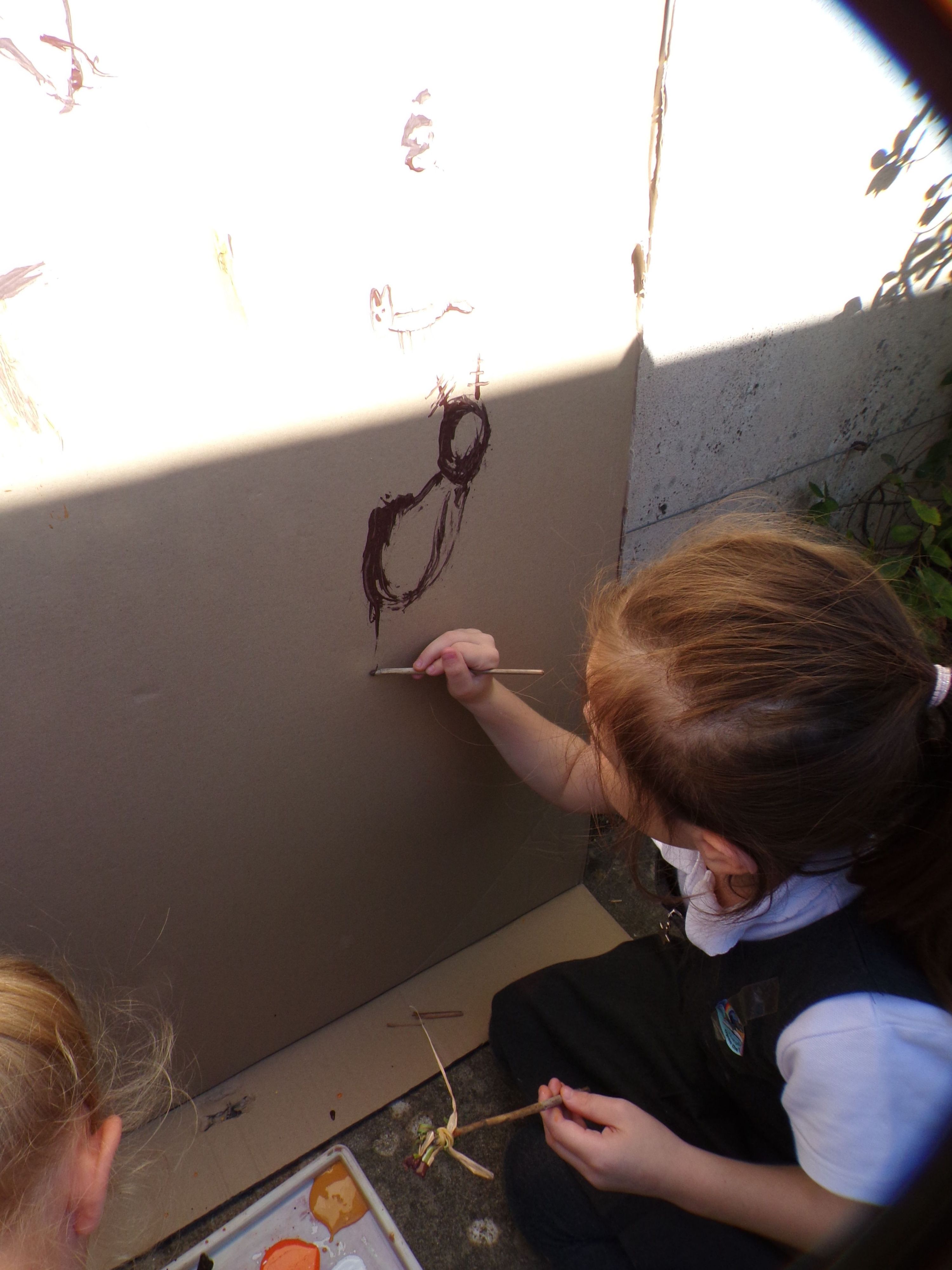
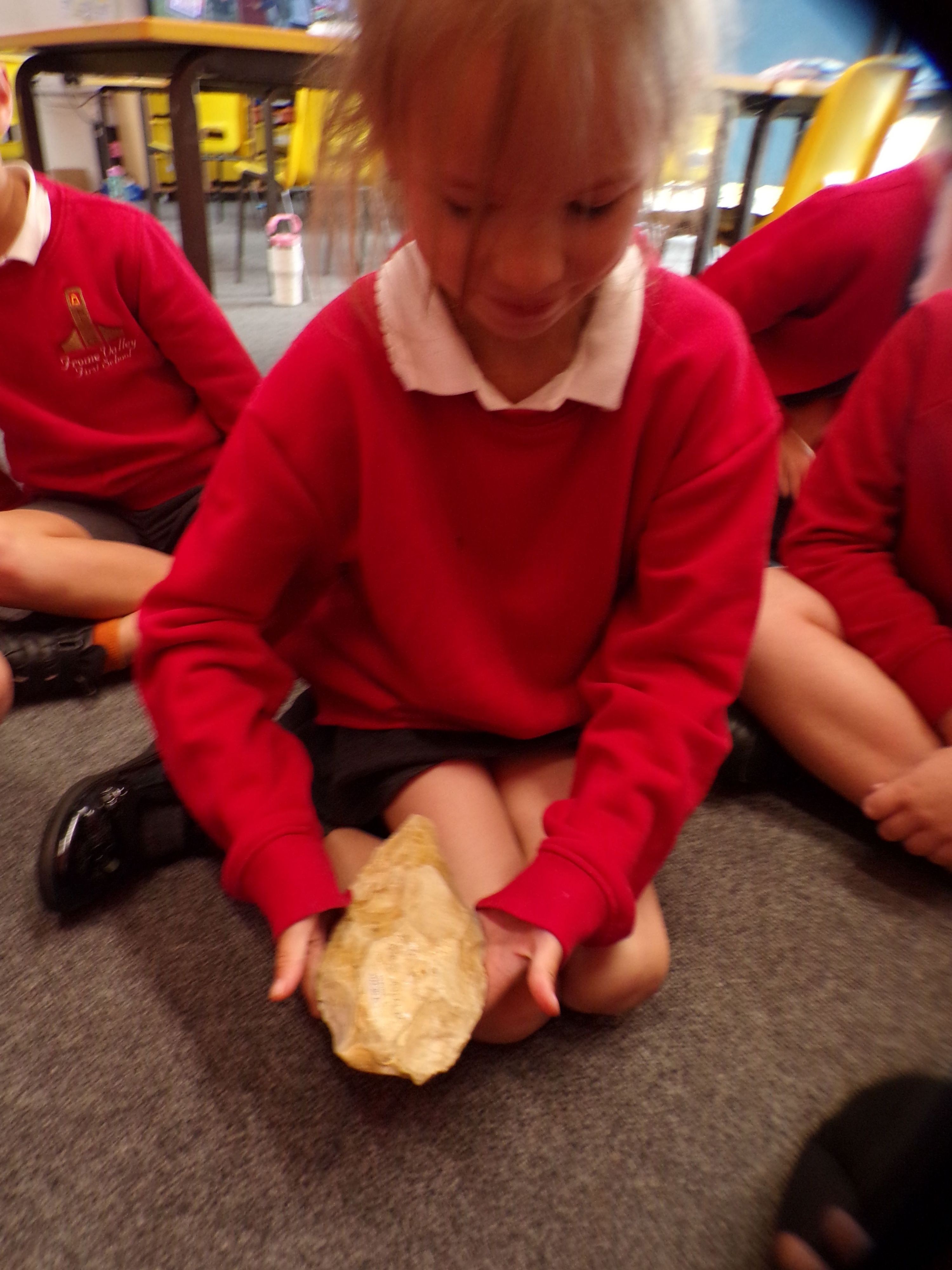
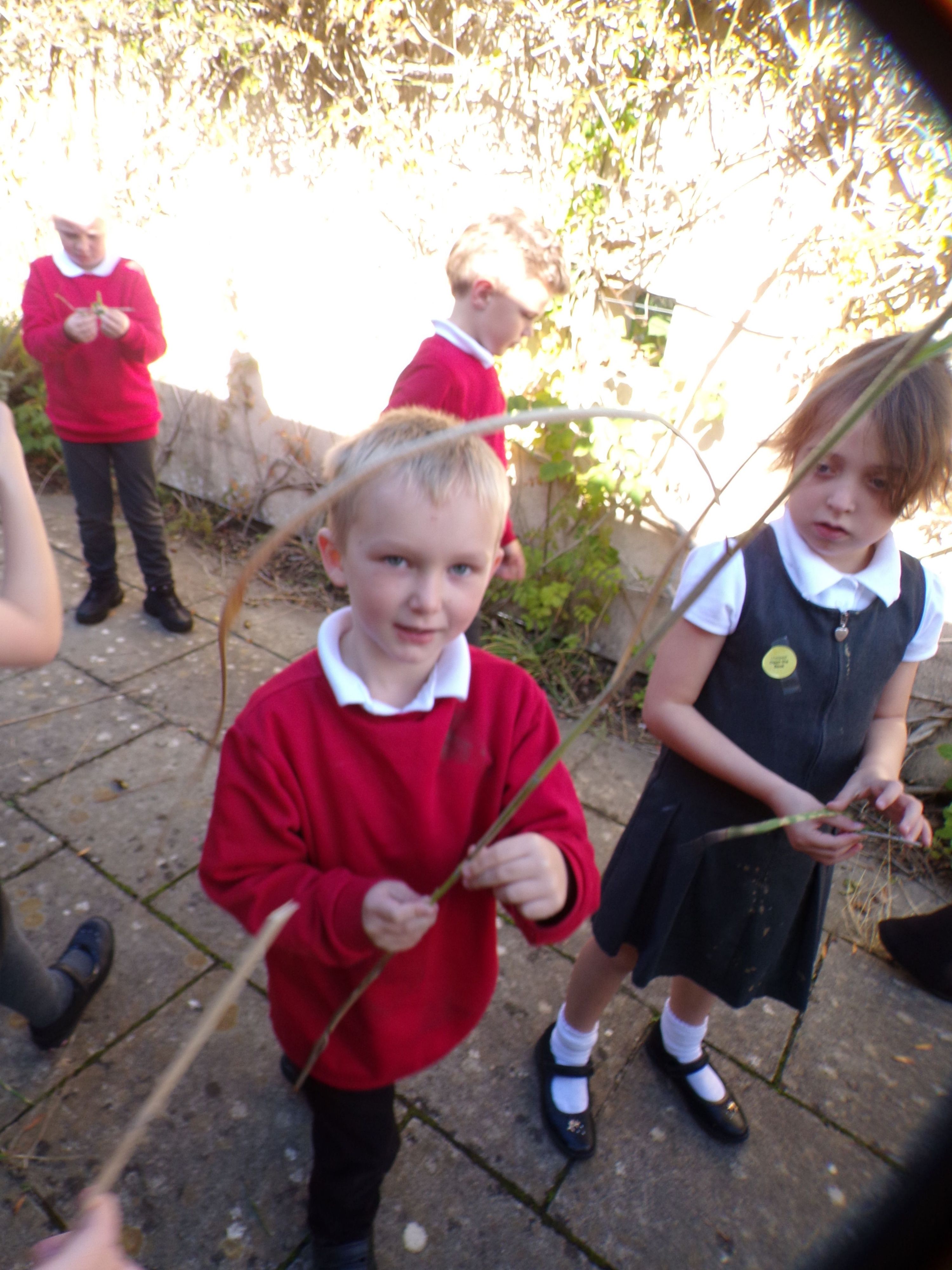
We want children to be curious to know more about the past and to have the skills required to explore their own interests. History lessons focus on working as historians and developing historical skills and there are many opportunities for the curriculum to be enriched through historical visits, visitors and events held in school.
We aim to enable children to ask perceptive questions, think critically, weigh evidence, sift arguments, and develop perspective and judgement. It is important for children to develop a sense of identity through learning about the past and we want them to know how history has shaped their own lives. This is why the local area is fully utilised to achieve the curriculum outcomes.
History is taught through timetabled specific lessons on a half termly basis, alternating with geography.
History Long Term Overview

Aims
EYFS
As part of the EYFS Framework, children are taught all about ‘Understanding the World’. Please see our long term overview and EYFS page for our Nursery and Reception curriculum information.
Key Stage 1 and 2
The national curriculum for history aims to ensure that all pupils:
- Know and understand the history of these islands as a coherent, chronological narrative, from the earliest times to the present day: how people’s lives have shaped this nation and how Britain has influenced and been influenced by the wider world
- Know and understand significant aspects of the history of the wider world: the nature of ancient civilisations; the expansion and dissolution of empires; characteristic features of past non-European societies; achievements and follies of mankind
- Gain and deploy a historically grounded understanding of abstract terms such as ‘empire’, ‘civilisation’, ‘parliament’ and ‘peasantry’ understand historical concepts such as continuity and change, cause and consequence, similarity, difference and significance, and use them to make connections
- Draw contrasts, analyse trends, frame historically-valid questions and create their own structured accounts, including written narratives and analyses understand the methods of historical enquiry, including how evidence is used rigorously to make historical claims, and discern how and why contrasting arguments and interpretations of the past have been constructed
- Gain historical perspective by placing their growing knowledge into different contexts, understanding the connections between local, regional, national and international history; between cultural, economic, military, political, religious and social history; and between short- and long-term timescales.
Curriculum Impact
Assessment of children’s learning in History is an ongoing monitoring of children’s understanding, knowledge and skills by the class teacher, throughout lessons. This assessment is then used to inform differentiation, support and challenge required by the children.
Summative assessments take place throughout the year and teachers record the progress and attainment against the National Curriculum expectations. Teachers use this information to inform future lessons; ensuring children are supported and challenged appropriately. This data is analysed on a termly basis to inform and address any trends or gaps in attainment.
Final end of year assessments are made using assessment criteria that has been developed in line with the National Curriculum. Thus identifying the level in which the child is working.
Below you will find the whole school subject overview and progression frameworks for this area of the curriculum:
Your child will be required to demonstrate a range of skills in each of these subject areas as they move through the school. We have produced some guidance on the progression of these skills across each year group. Please click on the links below.