








English
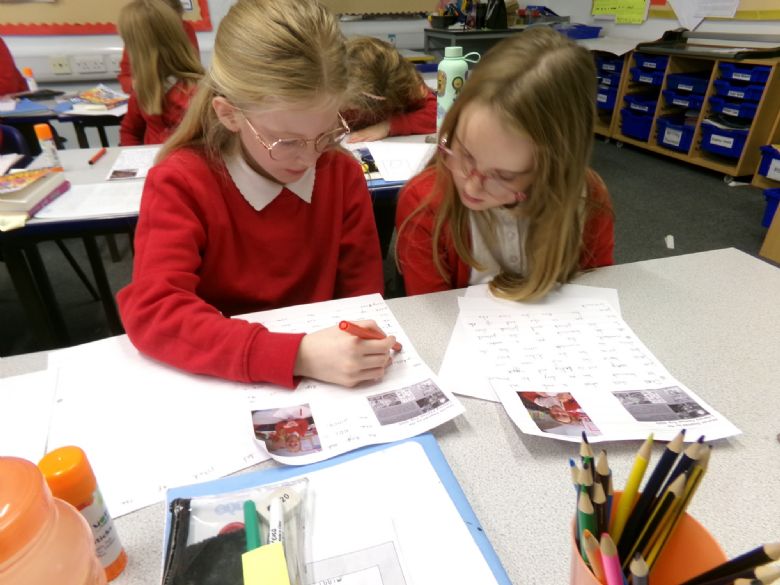
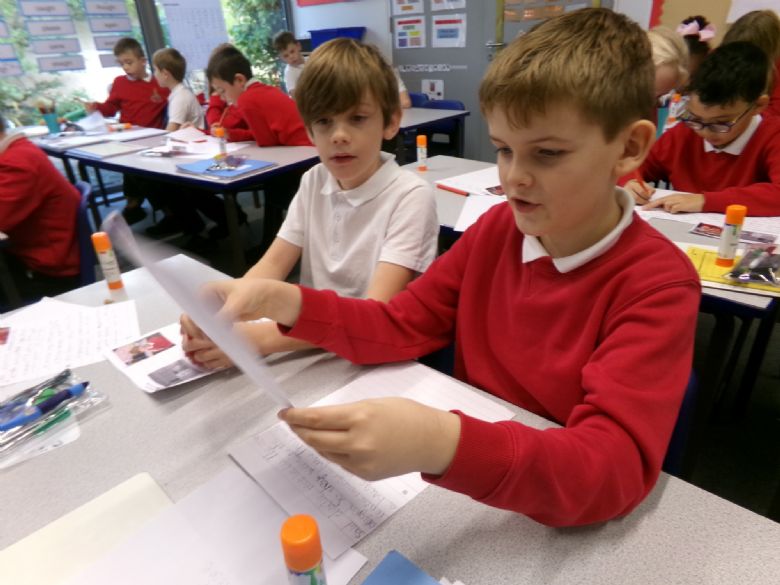
English is at the heart of our teaching and learning. It is essential to every area of the curriculum. It is through English that concepts are formed and we are able to make sense of the world and our place it.
Reading
At Frome Valley we prioritise every part of pupils’ reading development as they progress on their journey through the school from EYFS to Year 4. We enable and support children’s phonics development through a systemic robust programme from EYFS through Key Stage one, and beyond for identified pupils. Once children’s early reading skills are embedded, we foster a love of reading through a rich range of reading opportunities which provides breadth, challenge and no cap to their reading enrichment and development. Our Library and class reading areas inspire and enthuse our pupils with a zest for reading embracing fiction, non-fiction and other genres so that they leave the school as confident, mature, independent, discerning readers who can access the full curriculum. We also promote pupils’ spoken language as a key aspect of their reading development, through poetry, drama and our special enrichment days.
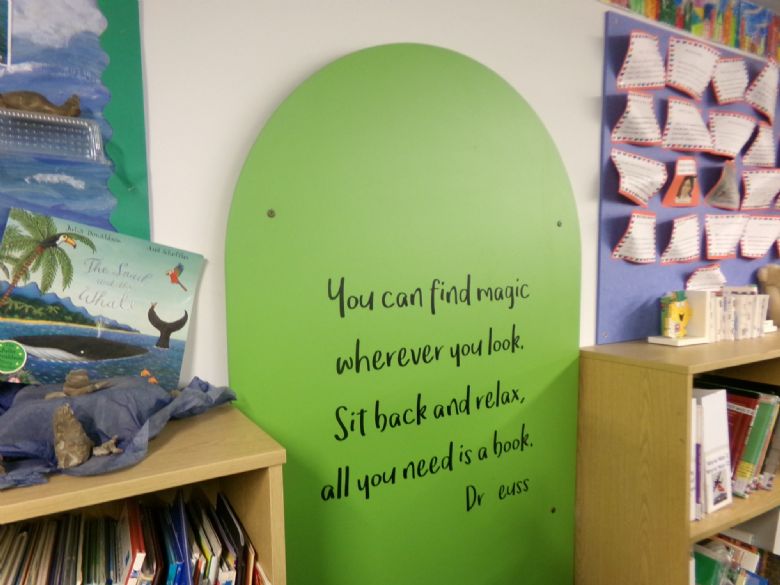
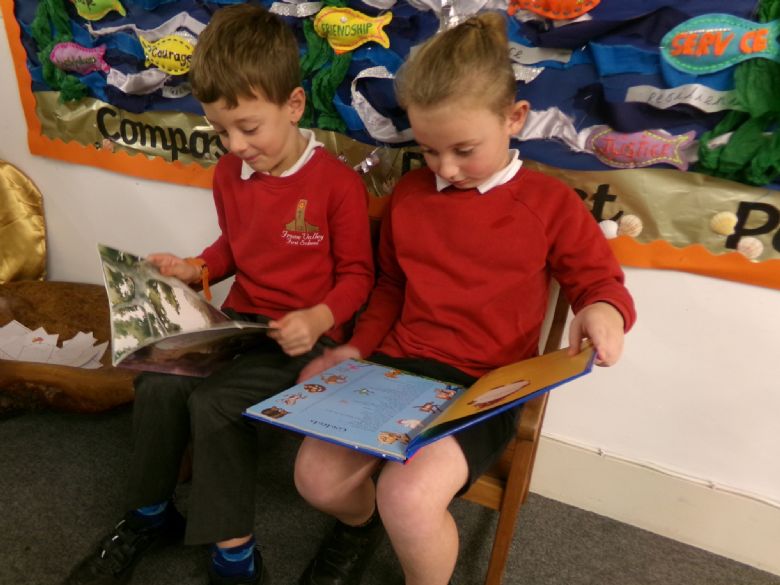
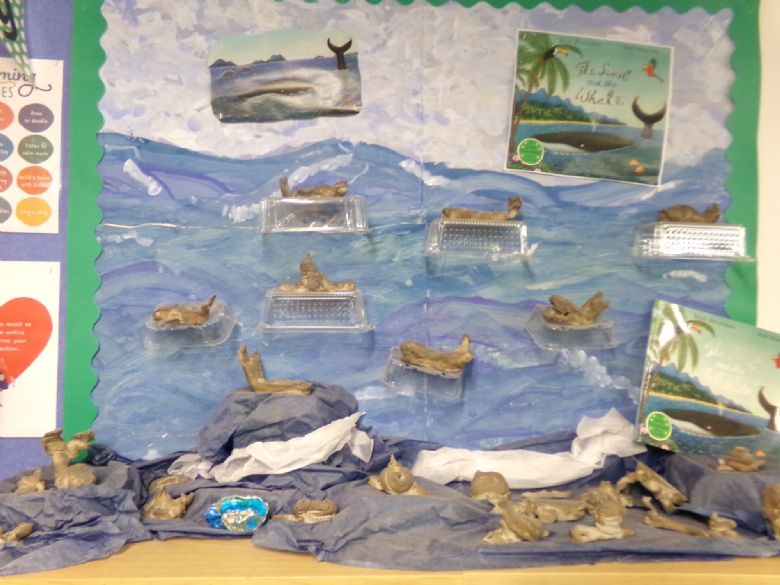
In the Foundation Stage and Key Stage 1, regularly children read individually and in small groups. They are also given regular opportunities to share a book with others. Teachers read a variety of written material regularly with the children: fiction and non-fiction, stories, reports, diaries, poems etc. We place a strong emphasis on phonics (letter sounds) in the early years of learning to read because we believe this lays the foundations for successful reading. We use the Read Write Ink (RWI) reading scheme for KS1 guided reading and home-school reading system which requests that parents read with and to their children each day. Children need parents/carers to be reading role models, so we strongly encourage daily reading at home beyond Key Stage 1 as well.
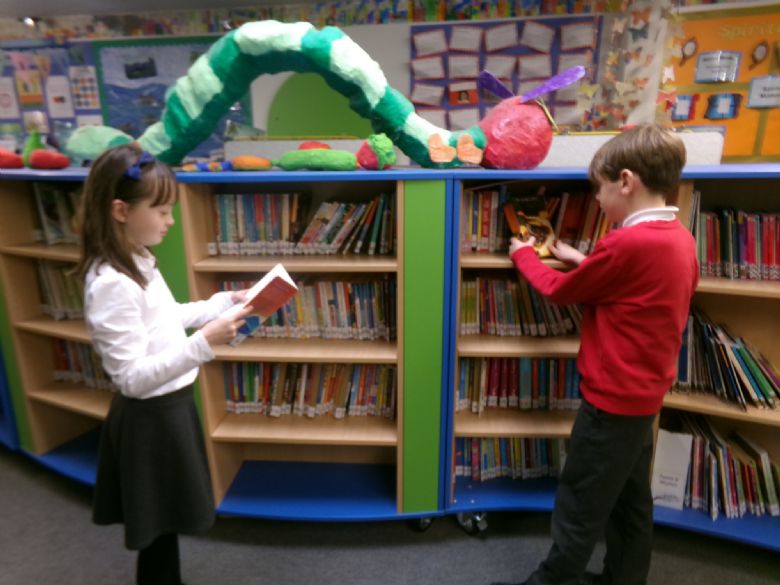
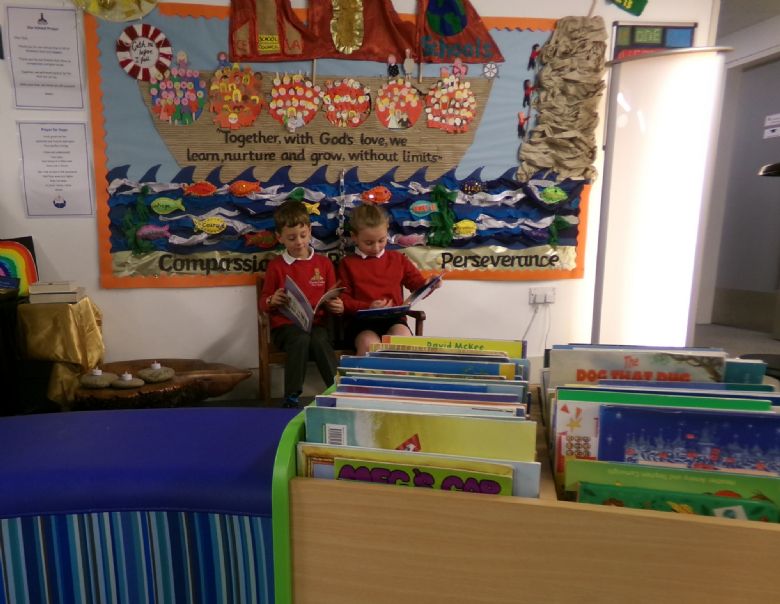
From the Spring term onwards, Year 2 and throughout Key Stage 2, children are explicitly taught the skills of reading in weekly small group or whole class guided reading sessions. Texts used include a variety of genres and text types including high quality picture books, chapter books, information books, leaflets, magazines and newspapers specially written for children. As part guided reading sessions, the teacher will have specific reading skills that the children will be focusing on. Children read during these sessions in a variety of different ways: they may hear the teacher model fluent reading and then have time to reread the same extract themselves, they may read individually and feedback, work in groups, take turns in pairs or read aloud to their peers. In addition, children have opportunities throughout the week to visit the school library, read independently and enjoy daily story time as a class in which the love, awe and wonder of reading for pleasure is promoted.
Writing
 Year 1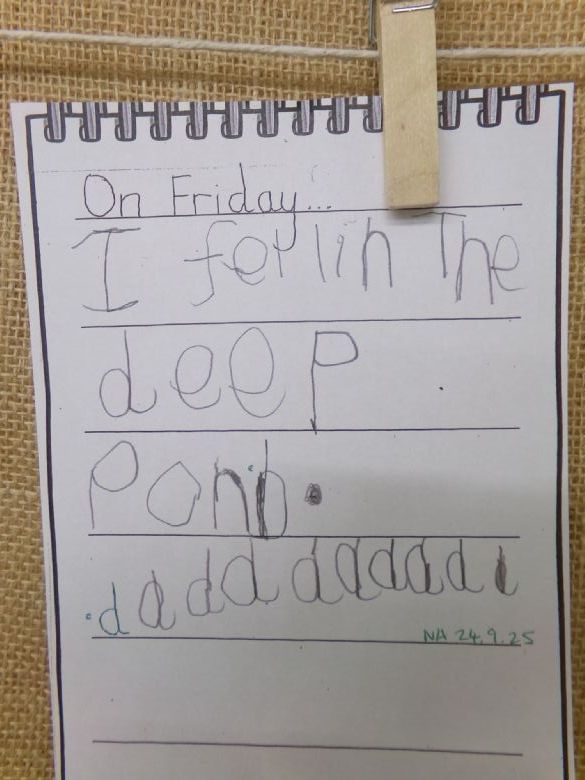
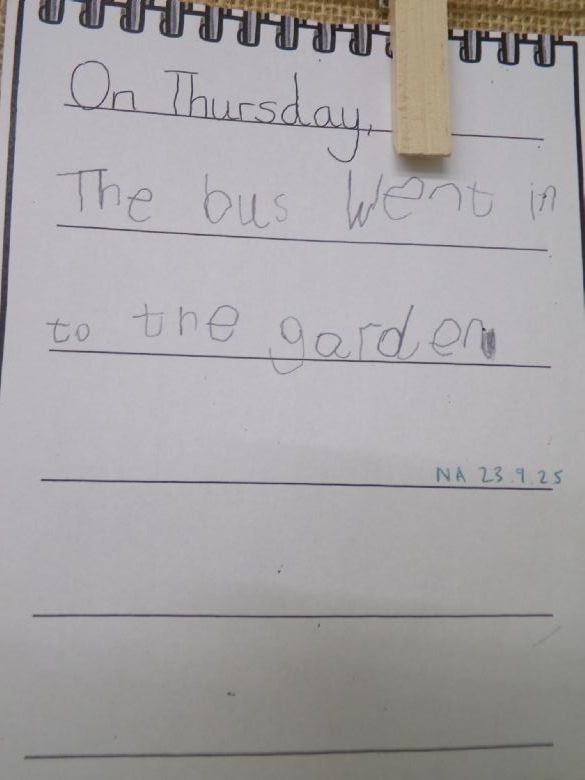
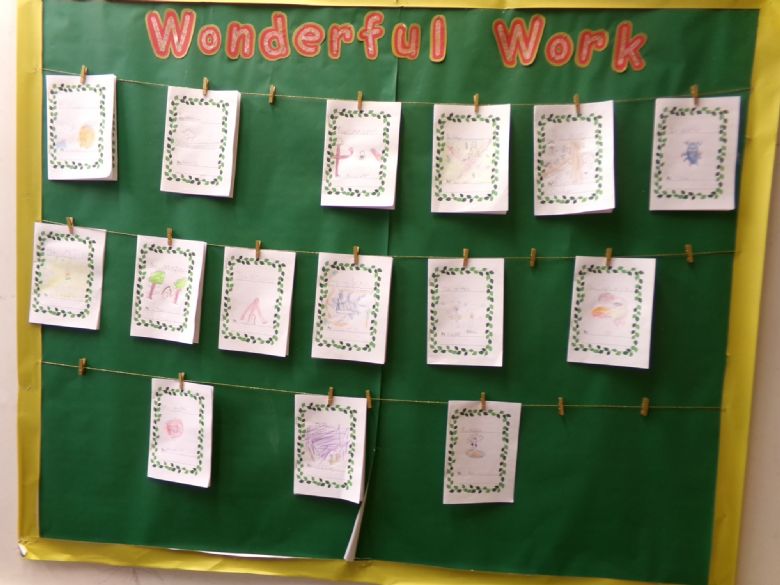 Year 2
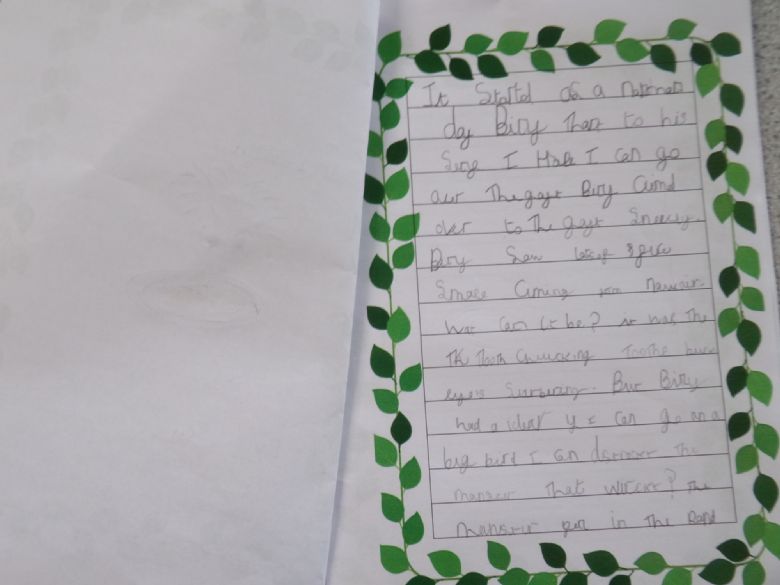
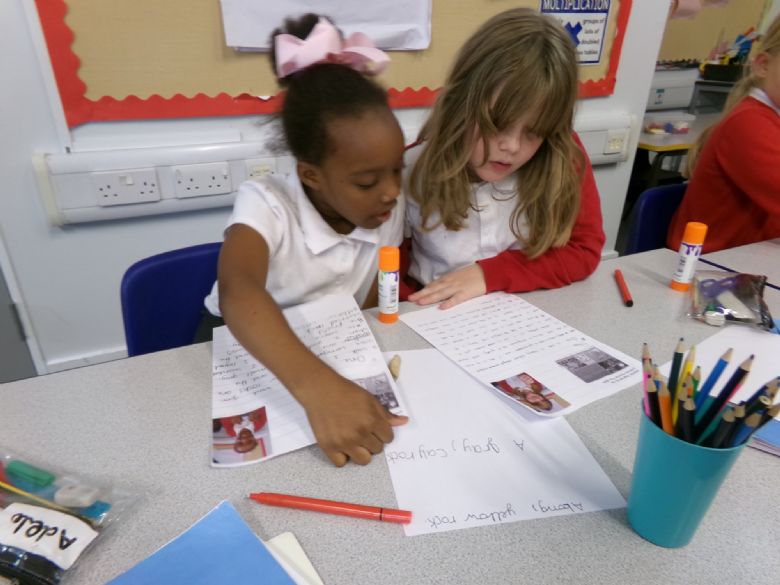
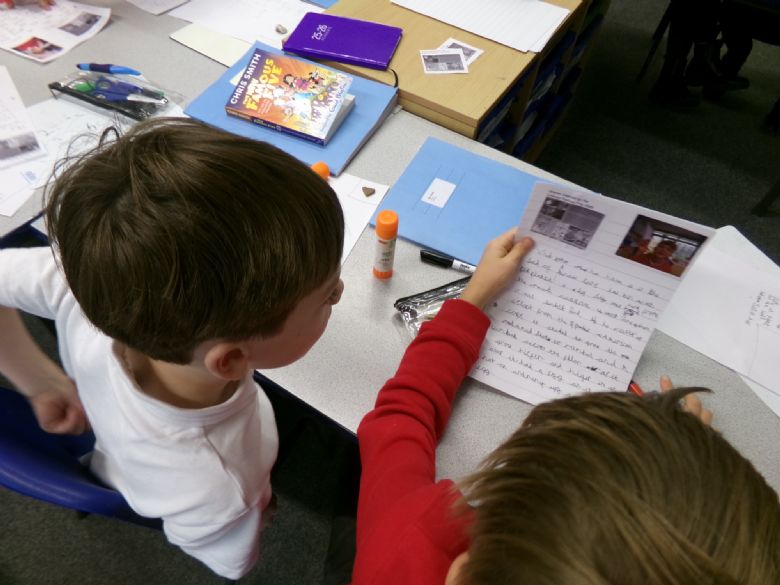
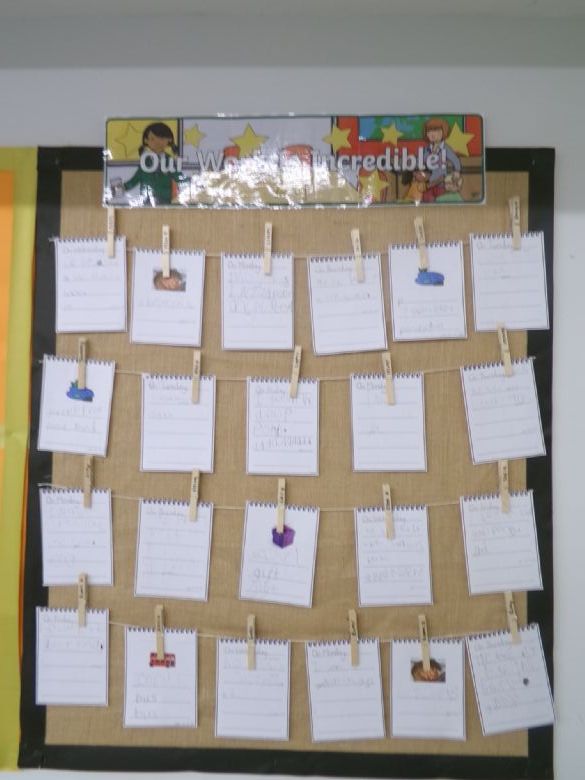
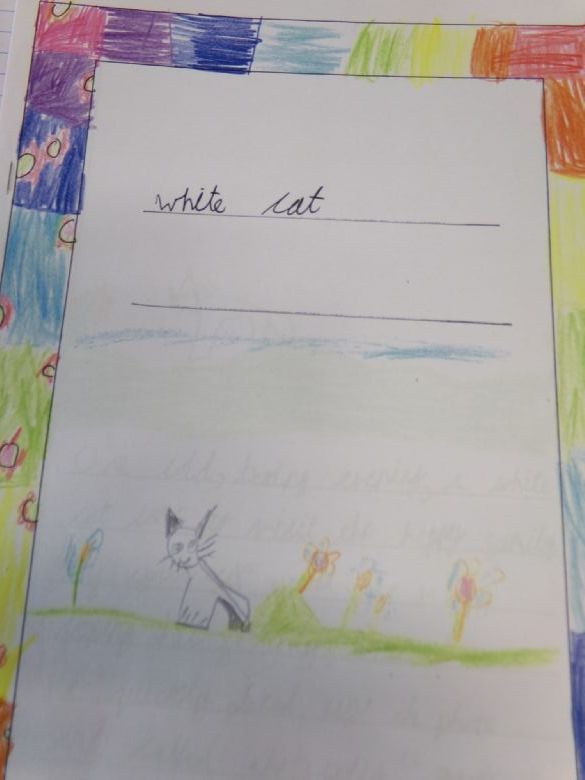
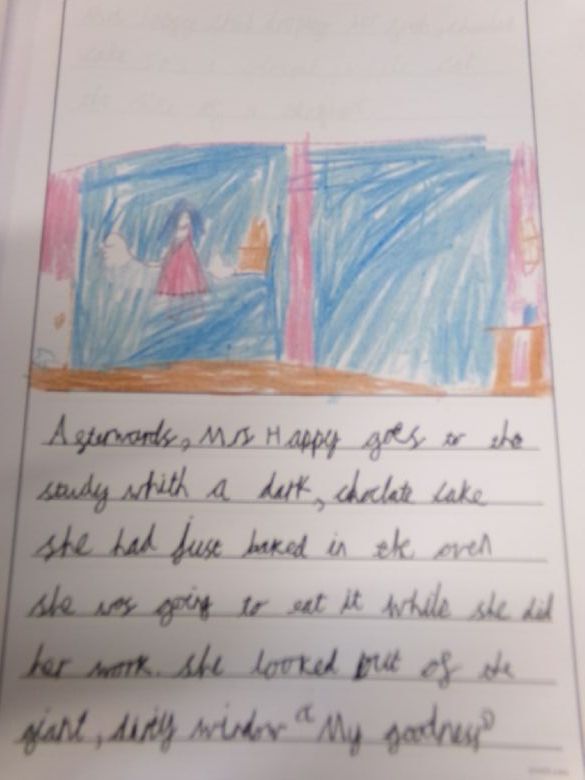
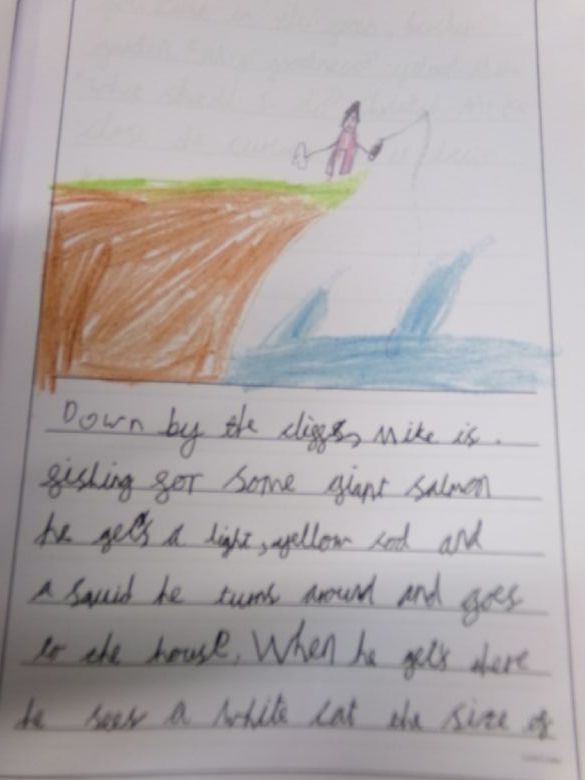
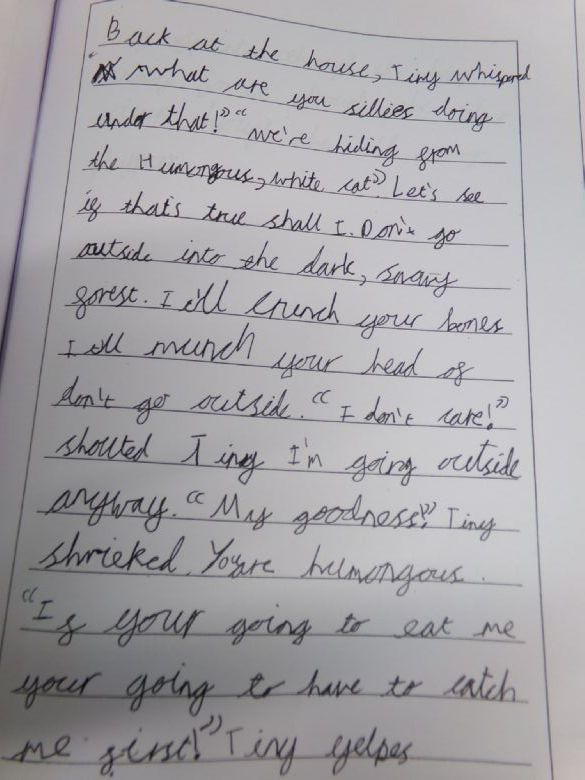
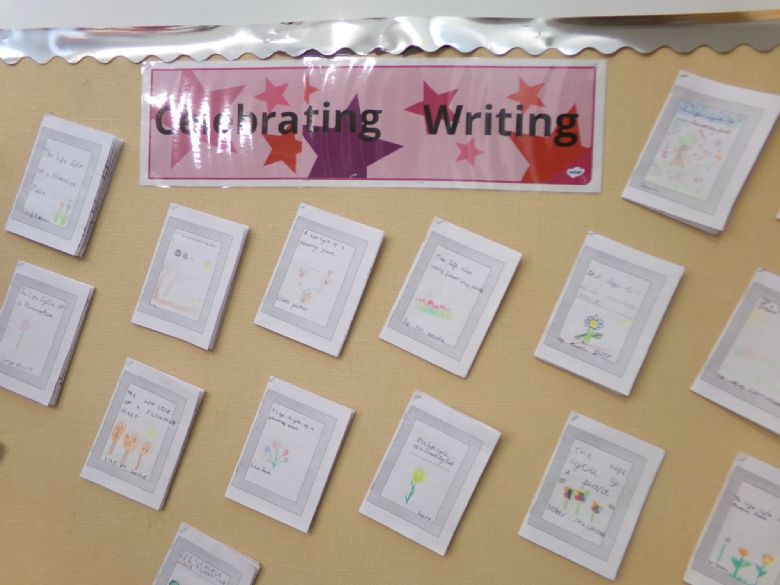
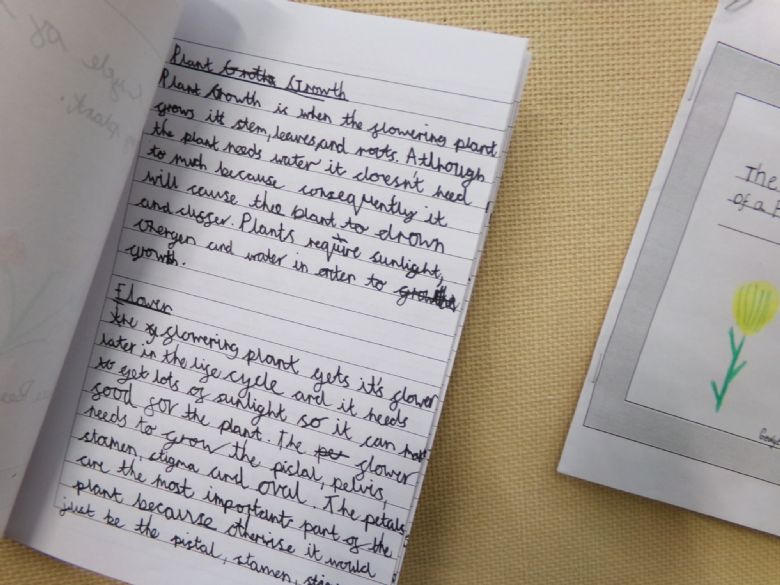
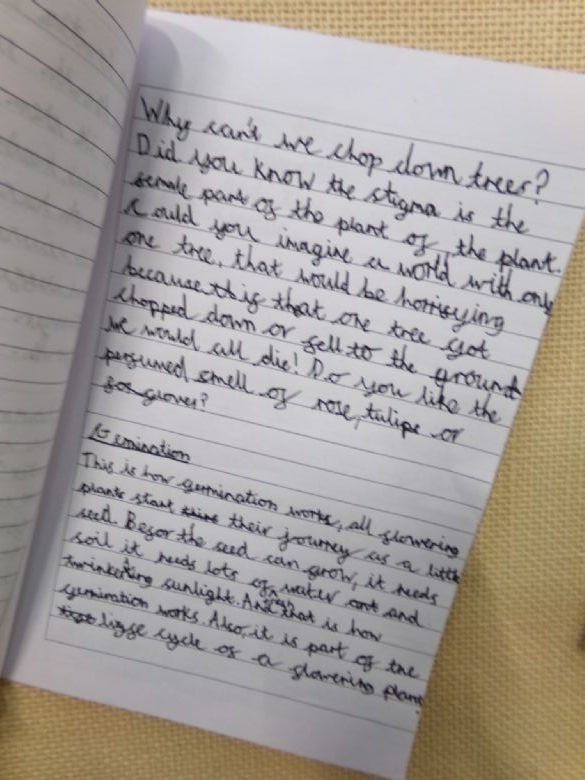
To develop writing at Frome Valley, we teach and learn from the Literacy Tree scheme. Each unit is centred on a children’s high-quality vocabulary-rich texts and is carefully constructed so the entire statutory curriculum for English is covered from EYFS to Year 4. In addition, these texts provide opportunities to engage with the wider curriculum whilst embedding writing skills.
Please see our EYFS page for our Nursery and Reception curriculum information.
Progression overviews for each year group can be found below.
 Year 3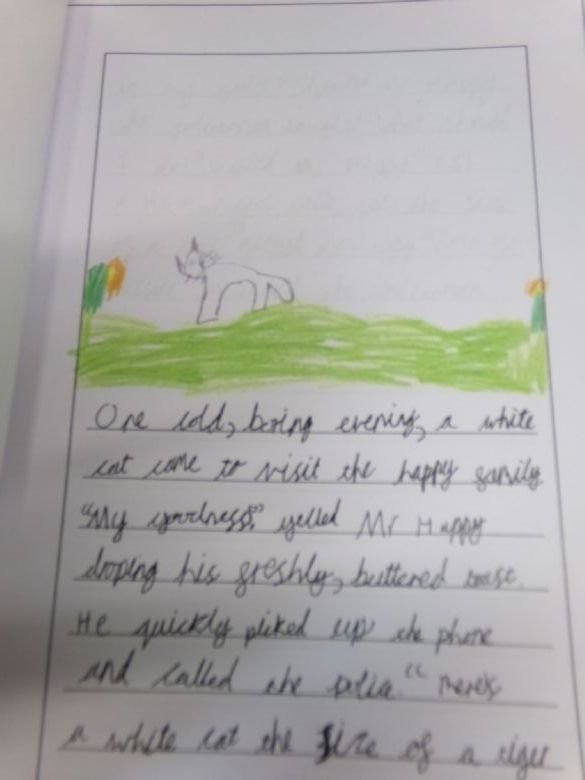
 Year 4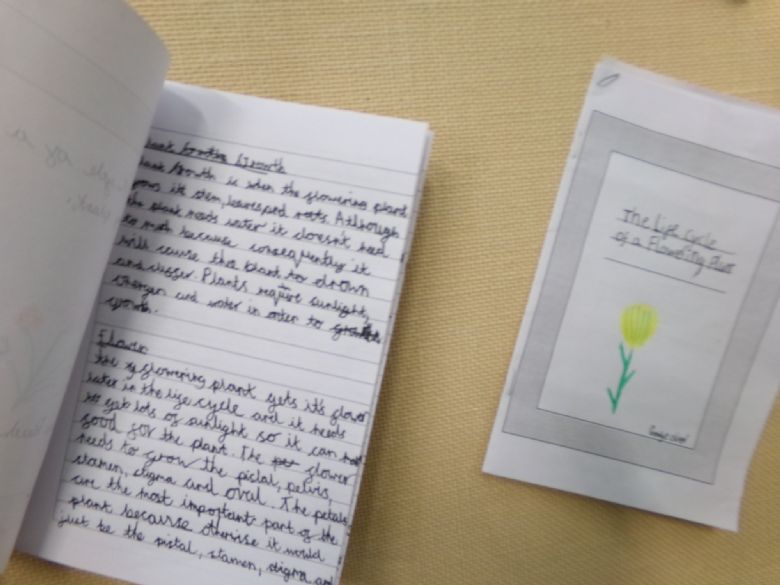
Spelling
Year 2, 3 and 4 spelling objectives are taught and learned through our RWI Spelling scheme on a stage not age basis so as children successfully complete RWI Phonics they move onto RWI Spelling accordingly. Children who complete Year 4 spelling objectives before the end of Year 4 move onto embedding and application work of the national KS2 statutory spellings.
Spelling lists for each year group can be found below.
Handwriting
We follow the ‘Penpals for Handwriting’ scheme at Frome Valley. We aim for our pupils to develop a neat, legible, speedy handwriting style using continuous cursive letters that leads to producing letters and words automatically in independent writing. We encourage fine motor skill activities in EYFS to develop muscles used for writing.
By the end of Year 4, pupils will understand the importance of neat presentation and the need for different letterforms (cursive, printed or capital letters) to help communicate meaning clearly.